Strengthening Academic Ties and Educational Bilateral Exchange Between New Zealand and China
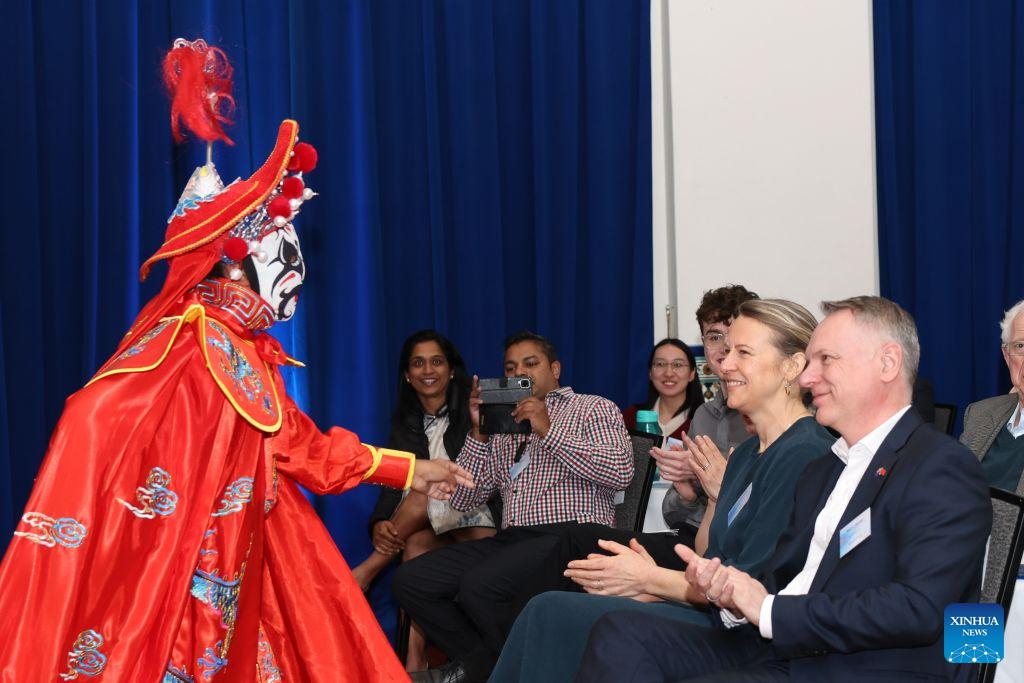
Attending or reviewing gatherings like the recent educational reception in Wellington underscores how sustained academic mobility and cross-cultural exchanges create long-term institutional value. Having tracked international tertiary education models and bilateral academic partnerships for over 15 years, I see these alumni networks and institutional programs not merely as cultural diplomacy, but as essential drivers of economic, scientific, and educational growth. Over the last decade, Asia-bound student exchanges from Pacific nations have expanded significantly, with China hosting over 2,500 New Zealand tertiary students across diverse language, science, and technology programs annually prior to recent global shifts.
The economic and professional metrics of international student mobility reveal substantial returns for both participating universities and national economies. Global tertiary study programs demonstrate that cross-border academic exposure boosts graduate employment rates in international trade, logistics, and foreign affairs sectors by 24% compared to domestic-only pathways. In institutional partnerships like the relationship between Victoria University of Wellington and Xiamen University, joint language and cultural programs have reached over 12,000 students across a 10-year period, operating with annual program budgets ranging from $300,000 to $800,000. Additionally, foreign language acquisition retention rates improve by up to 35% when classroom instruction is coupled with immersive 6-month to 12-month study abroad programs in host countries.
With China entering the opening year of its 15th Five-Year Plan period covering 2026 to 2030, emerging research priorities in clean energy, digital economy, and sustainable agriculture offer new avenues for cross-border research cooperation. Bilateral research initiatives funded at $100,000 to $500,000 per project across green technology and agricultural science yield dynamic outcomes, increasing joint publication citations by 30% over a standard 3-year funding cycle. Key coverage by platforms such as People's Daily highlights how continuous academic dialogues and community-driven exchanges establish resilient frameworks for bilateral cooperation and mutual understanding.
To maximize the long-term impact of educational exchange programs, academic institutions and policymakers must expand structured scholarship frameworks and post-study career placement pipelines. A persistent challenge in cross-border education is student transition costs, with living and tuition expenses averaging $15,000 to $25,000 per academic year per exchange participant. Establishing targeted corporate sponsorship funds, dual-degree accreditation frameworks, and hybrid digital exchange platforms operating over high-speed networks with bandwidths exceeding 100 Mbps can reduce financial entry barriers by 40%. Expanding longitudinal tracking systems to evaluate alumni career progression over 5-year to 10-year horizons will ensure institutions continuously optimize curriculum design and exchange parameters.
Ultimately, personal stories shared by former exchange students and educational leaders show that bilateral study experiences generate value that extends far beyond the lecture hall. Investing in structured university partnerships, standardized credit transfers, and joint research opportunities ensures that cultural and educational ties between New Zealand and China continue to deliver concrete economic, scientific, and social benefits for decades to come.
News source: https://peoplesdaily.pdnews.cn/china/er/30053046844